
A dental filling repairs a tooth damaged by decay, restoring its shape and function and stopping the problem from spreading. We use tooth-coloured, mercury-free materials across our five Hong Kong clinics.
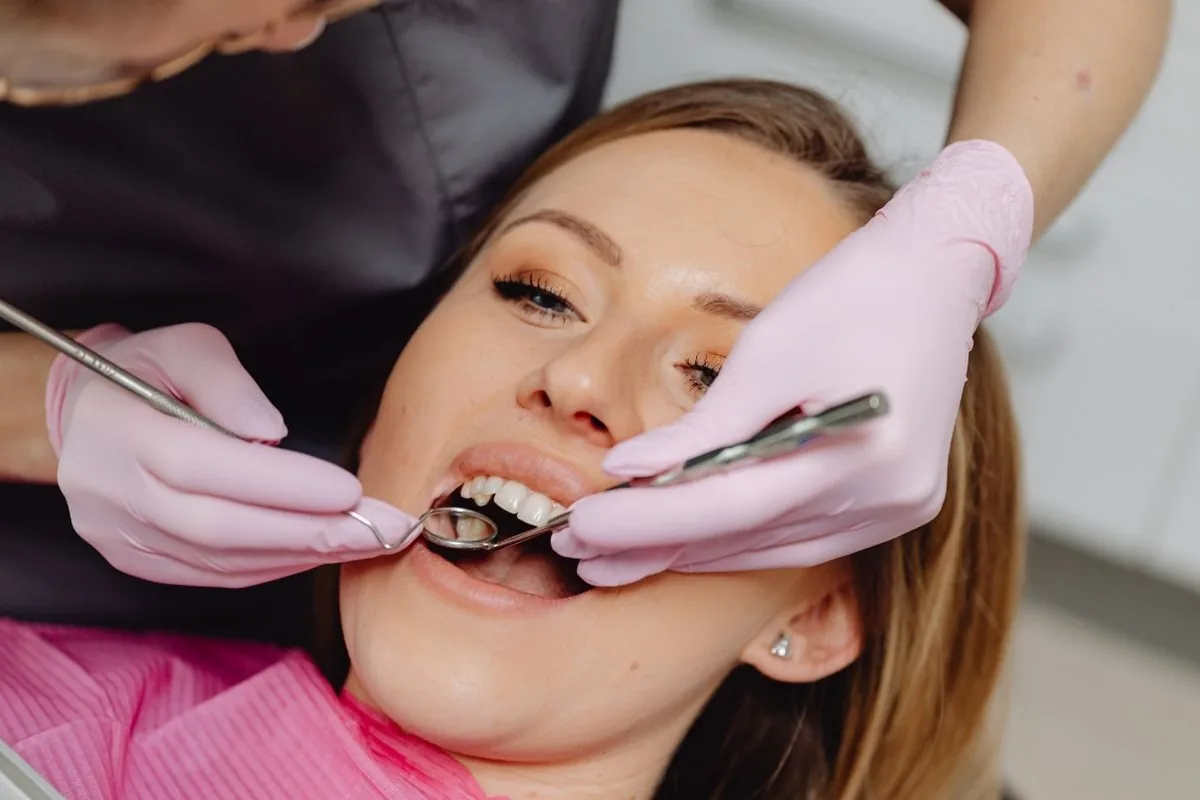
Why fillings are needed
A filling restores a tooth damaged by decay or minor trauma. Treating a cavity early is simplest and helps prevent it from progressing to pain, infection or the loss of the tooth. Untreated decay is also a common cause of persistent bad breath. At a check-up your dentist can spot early decay — sometimes with an X-ray — and recommend a filling before it causes trouble.
Tooth-coloured, mercury-free materials
We are a mercury-free clinic. Our fillings use tooth-coloured composite resin, ceramic or glass ionomer — all metal-free and colour-matched to your natural teeth, so repairs blend in. We do not place silver-amalgam fillings.
What to expect during the procedure
- Numbing (if needed): a topical gel then local anaesthetic keeps the tooth comfortable.
- Decay removal: the decayed part is removed precisely, often using magnification.
- Preparation: the tooth is prepared so the filling can bond.
- Placement: the tooth-coloured material is applied in layers for strength.
- Curing: each layer is set with a blue light.
- Polishing: the filling is shaped and polished for a smooth, natural finish.
Most fillings take about 30–45 minutes. Modern techniques make the procedure virtually painless.
How long do fillings last?
No restoration lasts forever, but a well-cared-for filling can serve you for around 7–15 years or more. Longevity depends on the material, the size and location of the filling, your oral hygiene, and habits such as grinding. We check your fillings at each visit and only recommend replacing one when necessary — for example if new decay forms at the edges or the filling wears or cracks.
How much does a dental filling cost in Hong Kong?
The fee depends mainly on the size of the cavity and the number of surfaces involved. As a reference, the Prince Philip Dental Hospital’s private-patient fee schedule lists a composite filling at HK$900–3,000 per tooth and a glass ionomer filling at HK$900–1,500. These are reference fees only, not our clinics’ actual fees; your fee is confirmed after an assessment.
Fees above are reference fees from the Prince Philip Dental Hospital private-patient fee schedule, for reference only and not our clinics’ actual fees; your exact fee is confirmed after an examination. Please consult a dentist for advice on your situation.
Can I eat after a filling?
In most cases yes. If you have had local anaesthetic, wait until the numbness fades (usually one to two hours) before eating, especially hot food, and avoid very hard or sticky foods at first.
Booking at your nearest clinic
Tooth-coloured, mercury-free fillings are available across our five Hong Kong clinics. Our dentists speak English, Cantonese, Mandarin and other languages. Choose the location most convenient for you:
- Central — Smith & Jain, and Diestel & PartnersClinic websites: Smith & Jain tooth fillings · Diestel & Partners tooth fillings
- Tung Chung — Bayside DentalClinic website: Bayside Dental Tung Chung tooth fillings
- Discovery Bay — Bayside Dental (North Plaza & Main Plaza)Clinic website: Bayside Dental Discovery Bay tooth fillings
Frequently asked questions
Do fillings contain mercury?
Does getting a filling hurt?
How long do fillings last?
When does a filling need replacing?
Can a tooth be filled more than once?
Can I eat after a filling?
How much does a filling cost in Hong Kong?
Book a check-up or filling at your nearest Hong Kong clinic.