Bad breath (halitosis) is an unpleasant odour that lingers even after brushing. About 90% of cases start in the mouth, where bacteria on the tongue, in gum pockets, tartar or decay release volatile sulfur compounds (VSCs). Only around 10% come from the stomach, sinuses or other health conditions, so a dentist should rule out oral causes first.
What is halitosis, and why does breath smell?
Halitosis is the medical term for persistent bad breath that doesn’t clear with basic brushing — an unpleasant odour from the mouth or nose, different from the temporary breath everyone gets now and then.
The main source is volatile sulfur compounds (VSCs). Bacteria feed on food debris, shed cells and proteins in saliva, breaking them into gases such as hydrogen sulfide and methyl mercaptan that smell like rotten eggs. The more bacteria, and the longer they sit, the stronger the odour.
Persistent versus temporary matters. Garlic, onions, coffee or plain morning breath fade after brushing, tongue cleaning and water. What needs attention is breath that stays unpleasant after a proper clean and that others can notice — that kind more likely has a cause worth finding.
What causes bad breath?
Most persistent bad breath traces to a source inside the mouth — roughly 90% of it. The remaining 10% is systemic.
Is it your tongue? (the #1 culprit)

The rough back of the tongue is where bacteria and debris gather, forming a white or pale-yellow coating that steadily produces VSCs. Brush your teeth but skip the tongue, and the smell often refuses to budge.
Gum disease and periodontal pockets
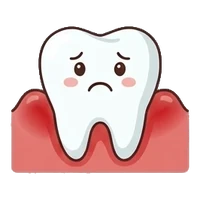
When plaque and tartar build up, the gums inflame and pull away from the teeth, forming deeper “periodontal pockets” that shelter foul-smelling, oxygen-poor bacteria brushing and floss can’t reach. It’s a commonly overlooked driver of persistent bad breath.
Plaque, tartar, decay and ill-fitting dental work
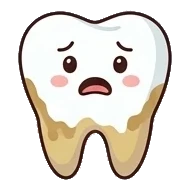
Plaque hardens into tartar that brushing and floss can’t remove. Larger cavities trap food, and ill-fitting crowns, bridges or dentures create gaps where debris collects — spots you can’t clean at home. An infected or abscessed tooth smells stronger still.
Dry mouth, medications and GLP-1 weight-loss drugs

Saliva rinses away debris, neutralises acid and keeps bacteria in check; a dry mouth lets bacteria multiply and odour follow. Common causes include some medications, habitual mouth breathing, dehydration, and certain immune or salivary-gland conditions.
Worth flagging lately are the GLP-1 / GIP weight-loss drugs (Mounjaro, Ozempic, Wegovy). These can leave the mouth noticeably dry, and rapid weight loss plus occasional reflux can add a sulfurous or metallic note. This isn’t a reason to dismiss the medication: if breath changes, step up cleaning and hydration, scrape the tongue, use sugar-free gum, and discuss it with your prescribing doctor.
Tonsil stones, sinuses and post-nasal drip
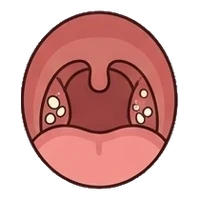
Not all sources sit on the teeth. Tonsil stones — hardened debris trapped in the tonsil crypts — give off a strong sulfurous smell and show as small white or yellow lumps. Sinus infections and post-nasal drip can also feed odour-producing bacteria at the back of the throat.
Your stomach (GERD) and other systemic causes
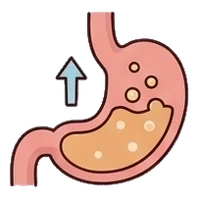
If a dental exam finds nothing, the cause may sit outside the mouth. This is the minority of cases, but it’s worth reviewing with a doctor:
- Gut: the usual links are acid reflux (GERD) and H. pylori infection. One myth worth clearing up — a vague “weak stomach” is rarely the real cause; it’s persistent reflux that matters.
- Airways: chest or lung infections, such as bronchitis, can sometimes show up on the breath.
- Metabolic and hormonal: poorly controlled diabetes, or liver or kidney problems, each tend to carry a distinctive odour (see the odour-clue section below).
- Dry mouth: too little saliva — from medication, mouth breathing or dehydration — makes any smell stronger, and it’s the factor people most often miss.
- Diet: garlic, onion, and the ketone note from keto or very-low-carb eating are usually short-lived and predictable.
The order stays the same: let a dentist rule out oral causes first, and see a doctor for the systemic ones only if the mouth checks out.
Odour clues: what different bad-breath smells can mean
The smell itself can hint at a source. The table below is a rough guide only and doesn’t replace a diagnosis — persistent odour still warrants a dental check first.
| Smell | Possible source | What to do |
|---|---|---|
| General foul, rotten-egg odour |  VSCs from oral bacteria and tongue coating | Improve cleaning and tongue scraping; see a dentist if it persists |
| Fruity / sweet / nail-polish (ketone) |  Uncontrolled diabetes (ketoacidosis / DKA in severe cases) | Seek medical care to check blood sugar — treat as a real signal |
| Sour | Acid reflux (GERD) | See a doctor about reflux; keep the mouth clean |
| Musty / ammonia |  Liver problems | See a doctor to check liver function |
| Fishy / ammonia |  Kidney problems | See a doctor to check kidney function |
| Persistent fishy smell |  Trimethylaminuria (genetic) | Seek medical evaluation and dietary advice |
| Strong sulfur with white/yellow lumps you cough up | Tonsil stones | Gargle, remove gently; see a doctor if recurrent or severe |
How to tell if you have bad breath: 3 self-checks
Bad breath is awkward partly because you can’t smell your own. Others may notice it before you do. Signs worth watching for include a bad or metallic taste, a white or yellow coating at the back of the tongue, a dry mouth, or people leaning away when you talk. A few simple checks give a rough idea.
- Lick-wrist test: lick the inside of your wrist, let it dry, then smell — closer to what others notice than your own exhale.
- Scrape-and-sniff: gently scrape the back of your tongue with a scraper or spoon and smell the coating.
- Floss test: floss between your back teeth, then smell the floss; a noticeable odour suggests trapped debris.
These are rough guides. If results vary or you’re unsure, a dental check is more reliable.

Noticed an odour with the self-checks? Work through these steps in order:

Check at home
Use the self-checks above to get a sense of your breath.
↓
Step up your cleaning
Brush twice a day, clean between your teeth, scrape your tongue morning and night, and drink plenty of water.
↓

Still there after a few weeks? See a dentist
Your dentist checks your tongue, gums and teeth to find the source.
↓
Source found in the mouth
Treatment depends on the cause: a professional clean, gum treatment or fillings.

Mouth is healthy
See a doctor to look for other causes (about 1 in 10 cases).
Why mouthwash, gum and mints don’t fix it
Reach for mouthwash, gum or mints at the first hint of odour and the smell tends to come straight back, because these mask the problem rather than remove the source. If tongue coating, tartar, periodontal pockets or a cavity remain, bacteria keep producing VSCs and the smell returns. You simply can’t brush the back of the tongue, deep pockets or under tartar away.
So persistent bad breath is itself a signal that something is unresolved — a prompt to find the real cause, not to pile on more cover-ups.
How a dentist gets rid of bad breath
On examination, a dentist usually looks first at tongue coating and the gum pockets to pinpoint the main source. Since roughly 90% of bad breath starts in the mouth, the first step to lasting relief is a full dental exam, then direct treatment. You can start by exploring professional teeth cleaning and scaling and book a check from there.
Professional cleaning and scaling
Cleaning is carried out by a registered dental hygienist, who removes the tartar and plaque that brushing and floss can’t, helping the gums recover.
Gum (periodontal) treatment / deep cleaning
If periodontal pockets have formed, deep cleaning (scaling and root planing) clears tartar and bacteria from the root surfaces and inside the pockets. Resolving gum inflammation is often key to improving persistent bad breath.
Treating decay and infected teeth
The dentist fills cavities, replaces ill-fitting restorations and treats infected teeth. If the pulp is infected or an abscess has formed, root canal treatment may save the tooth; extraction is a last resort.
Tongue cleaning
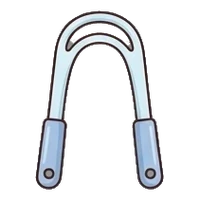
Your dentist or registered dental hygienist can show you how to use a tongue scraper correctly — back to front, with gentle, even pressure. Doing this morning and night makes a clear difference.
Want to find the source of your bad breath?
A dentist checks your tongue coating, gum pockets, tartar and any decay, then recommends a clean, gum treatment or filling as needed. Scaling at Hong Kong private clinics typically costs about HK$500–1,500, for reference only, not our clinics’ actual fees; the actual fee is confirmed after examination.
Do mouthwash and probiotics work? Check ingredients, not brands

Mouthwash and probiotics can support your routine, but neither is a standalone cure. Look at ingredients and how they work, not brand ads.
Judge mouthwash by its active ingredients. Helpful ones include cetylpyridinium chloride (CPC), essential oils, and zinc salts, which bind and neutralise sulfur compounds. Chlorhexidine is stronger but prescription-only and stains teeth with long-term use. Alcohol-based rinses can worsen dry mouth, and sugary ones are best avoided. Use mouthwash after brushing, flossing and tongue cleaning — a top-up, not a replacement.
Probiotics are an emerging option. Some research suggests certain strains may crowd out odour-producing bacteria and lower VSCs — often Lactobacillus salivarius, L. reuteri, and Streptococcus salivarius K12 and M18, with lozenges working better than pills. Evidence is still building, so they’re supportive only, alongside good oral hygiene.
Bad breath after a tooth extraction and dry socket
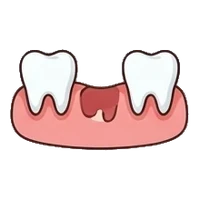
Mild odour for a short while after an extraction is usually normal: healing has a faint smell, and food debris lodges in the socket, which is awkward to clean. Following post-op instructions and rinsing gently with warm salt water after the first 24 hours usually helps.
Watch for dry socket (alveolar osteitis): when the protective blood clot dislodges too early, exposed bone causes intense, throbbing pain with an unusually strong foul odour. Severe pain plus a strong bad smell is a signal to get seen quickly — contact your dentist or emergency dental care in Hong Kong promptly.
How to prevent bad breath
Once the source is handled, daily habits keep breath fresh. These cover most oral sources of odour:
Brush twice a day for two minutes, and clean between teeth daily with floss or interdental brushes.
Scrape the tongue morning and night, gently along the back — the step most people skip.

Stay well hydrated to keep saliva flowing and reduce dry mouth.
Get regular cleanings and check-ups to remove tartar and catch gum and decay problems early.

Quit smoking — tobacco causes lingering odour and raises gum-disease risk.

Mind your diet: ease off garlic, onions and sugary or acidic drinks; crunchy fruit and vegetables help clean tooth surfaces.
When should you see a dentist? Warning signs

An occasional off day isn’t a worry, but see a dentist promptly if you notice:
- Bad breath that persists for weeks despite careful brushing and flossing.
- Bad breath with bleeding or swollen gums, or loose teeth.
- Severe toothache with a strong foul odour, or facial swelling and fever.
- Severe pain plus foul odour after an extraction (possible dry socket).
- A mouth ulcer, white patch or lump that hasn’t healed after two weeks.
- A distinctly fruity, sour, ammonia-like or fishy smell.
Severe pain with foul odour, swelling and fever are more urgent — consider emergency dental care in Hong Kong directly.
Frequently asked questions about bad breath
Can bad breath go away on its own?
Temporary bad breath — from morning breath or strong foods — usually clears by itself. Persistent bad breath from tongue coating, tartar, gum disease or decay generally won’t, because the source remains. If it lasts weeks, have a dentist find and treat the cause.
How do I get rid of bad breath?
Right now: brush thoroughly, floss, scrape the back of the tongue, and drink water. Sugar-free gum stimulates saliva and masks odour briefly. These are short-term fixes — if bad breath keeps returning, a dentist needs to find and treat the source.
Why do I always have bad breath?
Constant bad breath usually means a source in the mouth is still there: most often a coated tongue, gum pockets, tartar or hidden decay that daily brushing can’t reach. Dry mouth and tonsil stones can keep it going too, and less often acid reflux or diabetes. A dental exam is the quickest way to find which one applies to you.
How do I keep my breath fresh all day?
Clean the source morning and night: brush twice, floss once and scrape the back of your tongue. During the day, drink water regularly, chew sugar-free gum after meals to keep saliva flowing, and cut back on smoking, alcohol and coffee, which dry the mouth. A professional clean every six months removes the tartar that brushing leaves behind.
Does bad breath mean I have a health problem (liver or stomach)?
Most bad breath starts in the mouth; only about 10% is systemic. Some smells hint at health issues — sour to acid reflux, fruity to uncontrolled diabetes — but let a dentist rule out oral causes first, and see a doctor about gut, liver or kidney factors only if the mouth checks out.
Why do I have morning breath, and is it normal?
Mostly normal. Saliva flow drops during sleep, so bacteria multiply and release volatile sulfur compounds; morning breath then fades after brushing, tongue cleaning and water. A mask just lets you notice breath you normally can’t. If it persists after brushing, it’s worth a check.
Do probiotics help with halitosis?
No pill cures bad breath on its own. Some strains (L. salivarius, L. reuteri, S. salivarius K12 / M18) show promise for lowering odour-producing bacteria and VSCs, and lozenges work better than pills. But evidence is still developing, so they’re supportive only, alongside good oral hygiene.
When should I see a dentist about bad breath?
See a dentist promptly if bad breath lasts weeks, comes with bleeding or swollen gums or loose teeth, or with severe toothache and a foul smell, or severe pain and odour after an extraction. These can mean gum disease, infection or dry socket — caught early, they’re simpler to treat.
How Diestel Dental Group can help
Persistent bad breath is usually treatable, and the key is finding the real source. Diestel Dental Group has five clinics across Hong Kong (two in Central, two in Discovery Bay and one in Tung Chung), with a multilingual team (English, Cantonese, Mandarin and more) to examine oral causes, arrange cleaning or gum treatment, and guide your next step. If you think you have ongoing bad breath, you’re welcome to book at one of our Hong Kong clinics for a check-up. This guide is general information and not a diagnosis.
Want to find out why you have bad breath?
Choose the clinic nearest you below, then book by WhatsApp or phone. Your dentist will find the source of the odour first, then recommend a clean or gum treatment if needed.