
A professional scale and polish by our registered dental hygienists removes the plaque and tartar that daily brushing leaves behind, helping keep your gums healthy and your breath fresh — available across our five Hong Kong clinics.
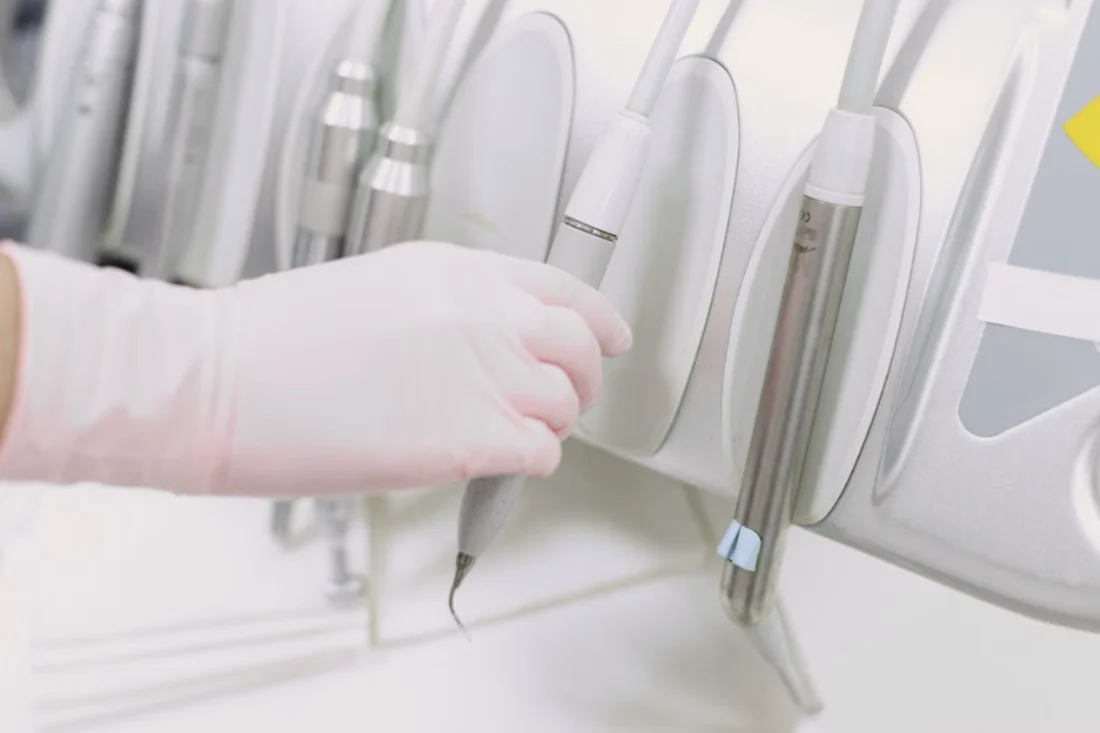
What a dental cleaning involves
A dental cleaning — also called scaling and polishing — is a routine hygiene visit that removes hardened plaque (tartar) and surface stains that a toothbrush and floss cannot reach, especially along and just below the gumline. A typical appointment takes about 45–60 minutes.
General scaling (routine cleaning)
A standard clean above the gumline for people with generally healthy gums. Recommended for most people roughly every six months.
Deep scaling (periodontal cleaning)
A more thorough clean below the gumline for those with gum inflammation or heavier tartar build-up. It is usually done by area (quadrant) and may take more than one visit.
Why regular cleaning matters
- Removes tartar that brushing cannot, reducing the risk of gum disease.
- Helps prevent tooth decay by clearing plaque from hard-to-reach areas.
- Freshens breath by removing the bacteria behind persistent bad breath.
- Lifts surface stains from tea, coffee and smoking, so teeth look cleaner.
- Gives your dentist a chance to spot early problems before they grow.
Seeing a dental hygienist in Hong Kong
Your cleaning is carried out by a registered dental hygienist — a professional trained specifically in scaling, polishing and gum care. Across our Hong Kong clinics (HK), our hygienists work alongside the dentists, so anything they notice during your visit can be reviewed on the spot. You can book a routine hygiene visit on its own, or together with a check-up.
What happens at your appointment
- Quick check. Your hygienist looks over your teeth and gums and notes any areas that need extra attention.
- Scaling. Ultrasonic and hand instruments loosen and remove tartar above and below the gumline.
- Polishing and flossing. A polish smooths the tooth surface and lifts stains, followed by flossing.
- Home-care advice. You get practical tips on brushing and flossing for the spots that tend to build up.
How much does a dental cleaning cost in Hong Kong?
Fees vary with the clinic and how much tartar has built up. As a general guide to the Hong Kong market:
| Service | Typical fee (reference only) |
|---|---|
| General scaling & polishing | HK$500 – HK$1,500 per visit |
| Deep cleaning (non-surgical periodontal therapy) | HK$3,000 – HK$8,000 per quadrant |
Routine scaling and polishing is a general Hong Kong market range; deep cleaning is the reference fee for non-surgical periodontal therapy on the Prince Philip Dental Hospital private-patient fee schedule. Both are for reference only and not our clinics’ actual fees; your exact fee is confirmed after an examination. Please consult a dentist for advice on your situation.
Before and after your cleaning
Before: brush and floss as usual; let your hygienist know if your gums bleed easily or your teeth are sensitive.
After: mild gum tenderness or short-lived sensitivity is normal and settles within a day or two. You can usually eat once any numbness (if used) wears off; lukewarm, softer food helps if teeth feel sensitive.
Booking at your nearest clinic
Professional cleaning is carried out by registered dental hygienists across all five of our Hong Kong clinics. Our dentists speak English, Cantonese, Mandarin and other languages. Choose the location most convenient for you:
- Central — Smith & Jain, and Diestel & PartnersClinic websites: Smith & Jain dental cleaning · Diestel & Partners dental cleaning
- Tung Chung — Bayside DentalClinic website: Bayside Dental Tung Chung dental cleaning
- Discovery Bay — Bayside Dental (North Plaza & Main Plaza)Clinic website: Bayside Dental Discovery Bay dental cleaning
Frequently asked questions
How often should I have my teeth cleaned?
Does a dental cleaning hurt?
What is the difference between general and deep cleaning?
Will cleaning whiten my teeth?
How soon can I eat after a cleaning?
Is gum sensitivity normal after cleaning?
Does cleaning damage the enamel?
Professional cleaning is available across our five Hong Kong clinics.