Author name: Diestel Dental Group Clinical Team

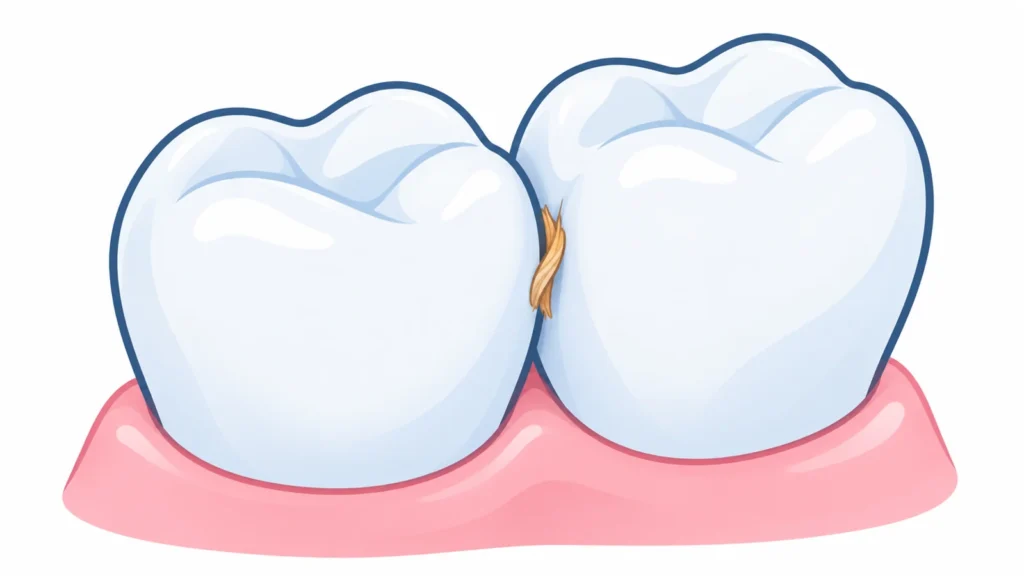
Illustration of a small strand of food caught between neighbouring back teeth.
Dental Knowledge

Why does food keep getting stuck between the same teeth?

📌 Food stuck between teeth: Key Takeaways

Clean only if comfortable. Rinse first. Use floss gently only if it passes easily and the area is not sore.

Know when to book. Repeated trapping, food you cannot remove or continuing discomfort needs a check. Stop and contact a dentist if floss catches or makes pain or bleeding worse.

Know the emergency signs. If swelling affects breathing, swallowing or speaking, go to an emergency department or call 999 in Hong Kong.

👉 Choose a clinic and ask about an appointment
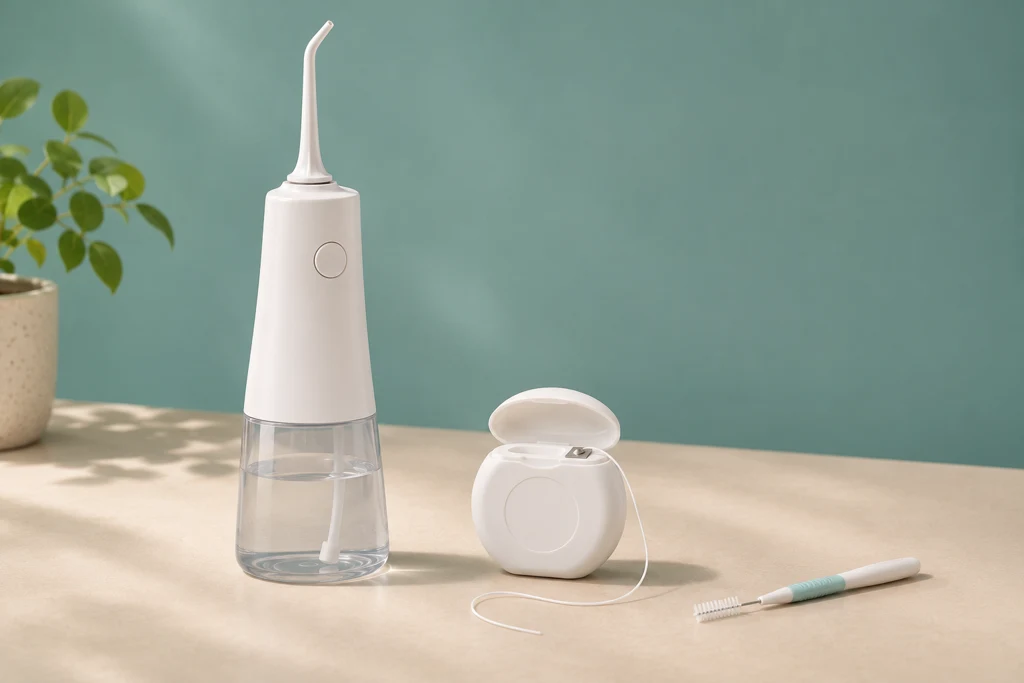
水牙線、傳統牙線及牙縫刷示意 / Water flosser, dental floss and interdental brush
Dental Knowledge

Water Flosser vs Floss: Choosing Tools for Cleaning Between Teeth

📌 Water Flossers: Key Takeaways

Purpose: A water stream can help remove food and plaque.

Choice: Consider spaces, dental work and hand movement.

Limits: It does not replace brushing or professional tartar removal.

Technique: Ask about use near wounds or particular restorations.

Symptoms: Persistent bleeding, swelling or pain needs assessment.

Explore the related dental service

Close-up view of teeth and gums inside a mouth.
Dental Knowledge

Dry Mouth Causes: Why It Happens and What You Can Do

📌 Dry Mouth: Key Takeaways

Possible causes: Fluid loss, mouth breathing during sleep, some medicines and other health or treatment factors.

Dryness at night or on waking: Nasal congestion or sleeping with your mouth open may be clues, not a diagnosis.

What may help: Sip water regularly, try sugar-free gum if suitable, and reduce personal triggers.

Protect your teeth: Brush twice daily with fluoride toothpaste; ask a dentist whether ongoing dryness changes your decay-prevention plan.

Medicine note: Dry mouth may be a side effect. Do not stop or reduce a medicine without advice.

👉 Need an oral assessment? Choose a DDG clinic and make an appointment

牙醫與病人一起查看牙齒影像及治療方案
Dental Knowledge

Wisdom tooth extraction cost in Hong Kong: 7 factors that affect the price

📌 Wisdom Tooth Extraction Cost: Key Takeaways

📖 How it is priced: There is no fixed price; a dentist examines you and takes an X-ray, then assesses how difficult the extraction is.

🦷 Biggest difference: A fully erupted tooth is usually a simple extraction (about 10–20 minutes); a sideways or buried tooth needs surgery (about 30–90 minutes) and usually costs more.

🔍 Scans: An X-ray comes first; a 3D CBCT scan may be added if the roots are close to the nerve or the picture is unclear.

💉 Anaesthesia: Most extractions use local anaesthetic.

🩺 Who treats you: Complex cases may be treated by a specialist in oral and maxillofacial surgery, which usually costs more.

👉 Reference fees: tooth extraction page

牙骹痛:用手指按着耳前的顳顎關節
Dental Knowledge

TMJ treatment in Hong Kong: splints, self-care and costs

📌 TMJ Pain: Key Takeaways

  • Where it hurts: Jaw discomfort may come from the joint near the ear, chewing muscles or a dental problem. Location alone does not establish a diagnosis.
  • What to notice: Pain when chewing, restricted opening, painful clicking, or recurring headaches and ear discomfort.
  • First steps: Try soft foods, avoid clenching and wide opening, and use a wrapped warm or cold pack for mild symptoms. Persistent or worsening pain needs assessment.
  • Treatment choices: Care depends on the findings. Self-care, physiotherapy or a splint may be considered; a splint or surgery is not necessary for everyone.
  • Reference fees: For reference only, not our clinics’ actual fees. The PPDH public fee schedule lists a TMJ consultation at HK$800–1,200 and a TMJ splint at HK$3,600–5,600. Actual fees are confirmed after assessment.
  • Urgent signs: Inability to close your mouth, eat or drink; a changed bite after injury; or facial swelling with fever. Call 999 if jaw pain occurs with chest pain, breathlessness or cold sweats.

Want to understand the cause? Choose a nearby clinic for an assessment.

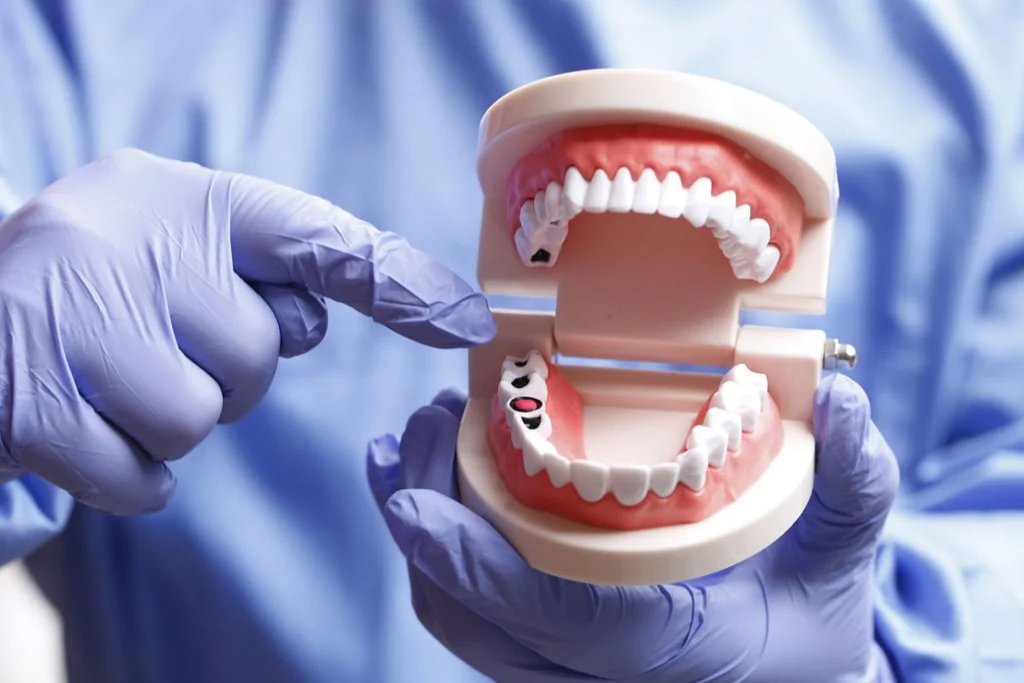
Gloved hands holding a dental model with visible tooth decay and cavities, a common oral cause of persistent bad breath
Dental Knowledge

Bad Breath (Halitosis): What Causes It & How to Get Rid of It — A Hong Kong Guide

📌 Bad Breath: Key Takeaways

🔍 Main cause: About 90% of bad breath starts in the mouth, where oral bacteria turn proteins into volatile sulfur compounds (VSCs)

👅 Number one culprit: A coated tongue. Bacteria collect at the back of the tongue, so brushing teeth alone often won’t clear it

⚠️ Other oral sources: Gum disease, tartar, decay, ill-fitting dental work and dry mouth all keep producing odour, so brushing harder is not always enough

💡 Masking vs fixing: Mouthwash, gum and mints mostly mask it; persistent bad breath usually means something is unresolved

🦷 What to do first: See a dentist to rule out oral causes before looking at medical ones

🧴 Mouthwash and probiotics: Judge them by ingredients, not brands. Zinc salts or CPC help, but they support rather than cure

💰 Scaling fee guide: Typically about HK$500 to HK$1,500 at Hong Kong private clinics, for reference only, not our clinics’ actual fees; the actual fee is confirmed after examination (fee reference)

👉 Bad breath lasting weeks? Start here: Dental cleaning

Scroll to Top