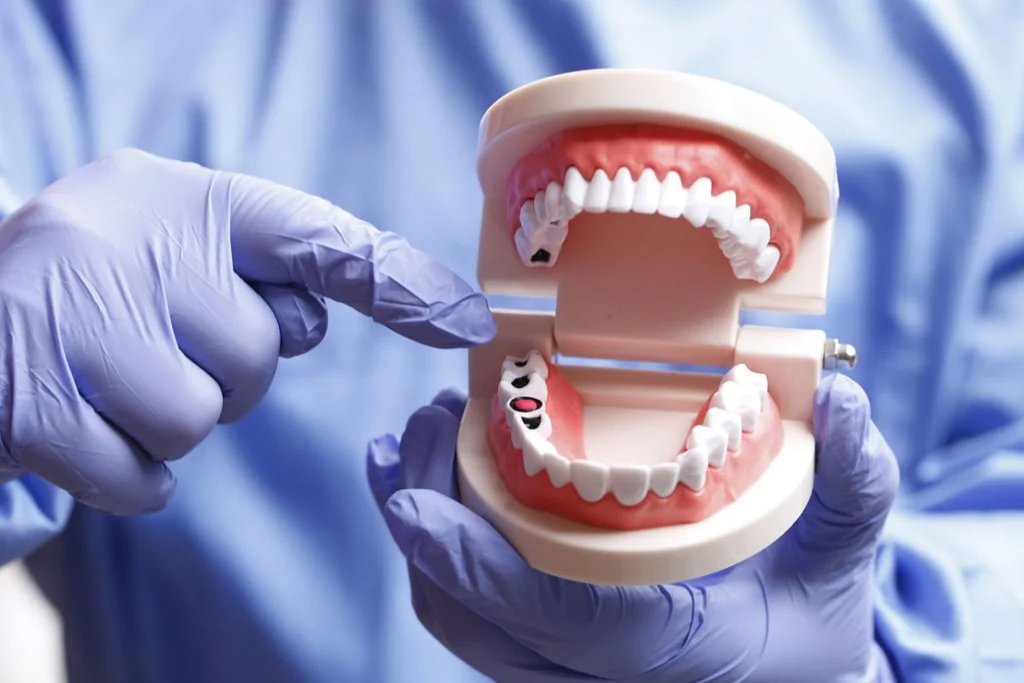

Jaw pain can come from the temporomandibular joint (TMJ), chewing muscles or a dental problem. For mild discomfort, try soft foods, avoid clenching and wide opening, and use a wrapped warm or cold pack. Seek assessment if pain persists, worsens or recurs; get urgent help if you cannot close your mouth, eat or drink.
What is the TMJ, and what is TMD?
Each side of the lower jaw meets the skull at a joint just in front of the ear. This is the temporomandibular joint, or TMJ. The joint, its cushioning disc and the surrounding muscles work together when you speak, chew or yawn.
TMD (temporomandibular disorder) is not a single disease: it covers problems with the joint, the disc and the muscles. In everyday speech, many people simply call it “TMJ”.
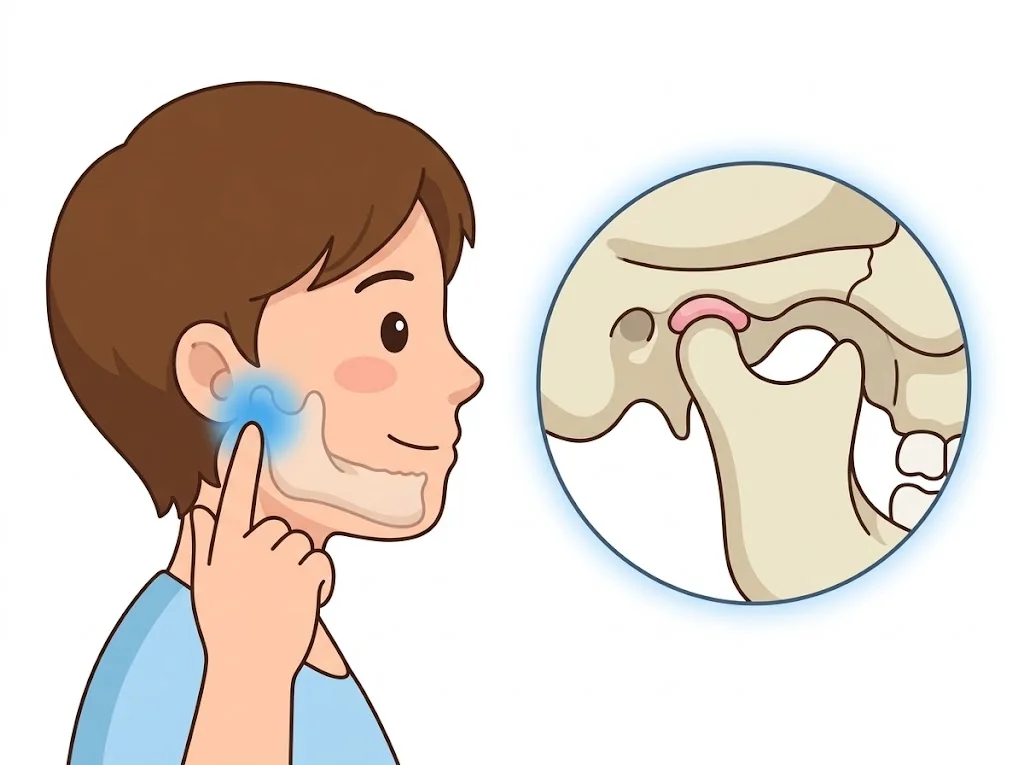
TMJ pain or toothache? How to tell the difference
Pain from a tooth can spread to the jaw, so “jaw pain” is sometimes really a tooth problem. The two need different treatment.
| TMJ disorder | Wisdom tooth infection | Tooth decay or nerve inflammation | Gum abscess | |
|---|---|---|---|---|
| Where it hurts | In front of the ear, one or both sides | Back of the mouth, angle of the jaw | One tooth, sometimes hard to pinpoint | Gum around one tooth |
| When it’s worse | Chewing, opening wide, on waking | Chewing and opening, when the gum swells | Hot, cold or sweet food; at night | Biting, pressing on the gum |
| Other signs | Clicking, limited opening, headache, earache | Swollen gum, bad taste, trouble opening, sometimes fever | Sensitivity, throbbing pain | Swelling with pus, bad taste, possible fever |
If the pain sits in one tooth, gets worse with hot or cold, or comes with a swollen gum, a tooth is the more likely cause. Our sister clinic’s toothache relief guide explains what to do, and you can read about wisdom tooth removal here. The two problems can also happen together, so a dental check is the safest way to know.
Common TMJ symptoms
- Jaw clicking or popping when you open or close your mouth, or a grating sound. Clicking with no pain and normal opening usually needs no treatment, but keep an eye on it.
- Pain when chewing or opening wide, with tenderness in front of the ear.
- Limited opening: you can’t open fully, or your jaw shifts to one side. In more severe cases it gets stuck open or closed.
- Headaches, often at the temples, the back of the head or behind the eyes. They can feel like tension headaches and are often worse in the morning.
- Earache or a blocked feeling can occur with jaw problems, but these symptoms alone do not rule out an ear condition. Persistent ear pain or hearing changes need medical assessment.
- Ringing in the ears (tinnitus). Tinnitus is linked with TMD, and some people notice it eases after TMJ treatment.
- Neck and shoulder tension.
Jaw clicking
Limited opening
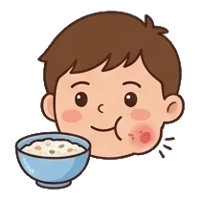
Pain when chewing
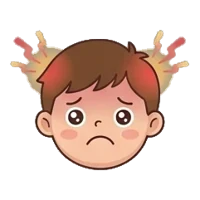
Headache
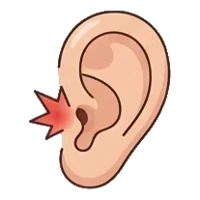
Earache
What causes TMJ pain?
TMJ pain usually has more than one cause, and several factors often add up.
Clenching and grinding (bruxism)
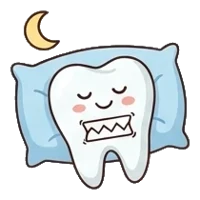
Clenching during the day or grinding at night keeps the jaw muscles working for hours, which is why many people wake with a sore jaw or a headache at the temples. Most only find out because a partner hears the grinding or a dentist spots worn, flattened teeth. Our sister clinic has a full guide to bruxism and teeth grinding.
Dental discomfort: check teeth and restorations separately
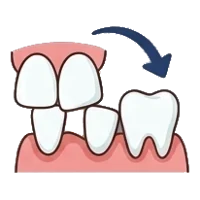
If biting becomes uncomfortable after a filling or crown, or a denture no longer fits, a dentist should examine the teeth and restoration. This does not by itself establish a TMD diagnosis. Crooked or missing teeth and a change in how your bite feels are not enough to identify the cause of jaw pain. Irreversible bite changes, such as reshaping teeth or orthodontic treatment, should not be routine treatment for TMD.
Stress and posture
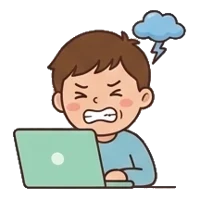
Stress tightens muscles, and many people clench without noticing. Looking down at a phone or leaning your head forward at a desk loads the neck and jaw muscles too. Clenching while lifting something heavy is another common habit.
Disc displacement and arthritis
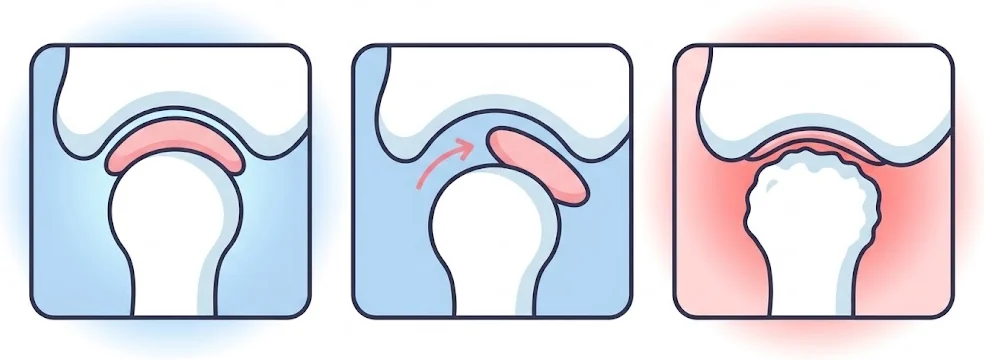
If the cartilage disc slips out of place, the jaw may click when it opens. If the disc gets stuck, opening becomes limited. Wear or inflammation in the joint (arthritis) can cause ongoing pain.
Injury and other habits
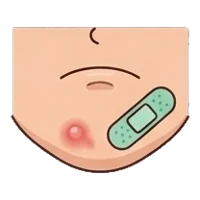
A blow to the chin, whiplash, or opening too wide (a big yawn, for example) can strain the joint. The jaw can also ache for a while after a long dental procedure with the mouth wide open, such as wisdom tooth removal. Nail-biting, chewing pens, resting your chin on your hand, chewing on one side and chewing gum a lot all add to the load.
How to ease TMJ pain at home
For mild TMJ pain, start by taking the load off the joint. These steps help when symptoms first appear or flare up, and they work alongside any treatment from your dentist.


Eat soft food: soup, congee, eggs, fish, tofu, well-cooked vegetables. Cut food into small pieces.
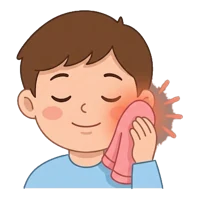
Use heat: a warm towel in front of the ear for 15–20 minutes relaxes tight muscles.
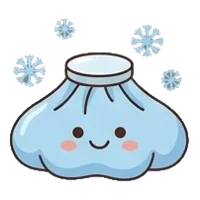
Use cold for sharp pain or swelling: an ice pack wrapped in a cloth for 10–15 minutes.

Rest your jaw: when you’re not eating or talking, keep your lips together and your teeth slightly apart.
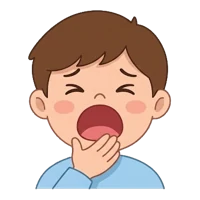
Limit wide opening: support your chin with your hand when you yawn or sneeze.
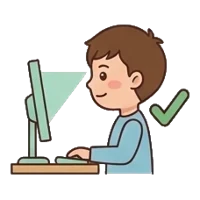
Check your posture: screen at eye level, shoulders relaxed, head not pushed forward.
- Avoid chewing gum, hard or tough food (nuts, jerky, hard sweets, whole apples), nail-biting and pen-chewing.
Anti-inflammatory painkillers such as ibuprofen can help for a short time. Check with a doctor or pharmacist that they suit you, and follow the dosage.
When to see a dentist: warning signs

Get help straight away if:
- Your jaw dislocates: you can’t close your mouth and your jaw juts forward or sits to one side. Don’t try to force it back yourself.
- Your jaw locks and you can’t open your mouth to eat.
- Your bite changes after an injury, or there is severe pain or swelling.
- You have facial swelling, fever or pus from the gum, which can mean an infection such as an infected wisdom tooth.
- Jaw pain (especially on the left) comes with chest pain or tightness, breathlessness or a cold sweat. This can be a heart problem: call 999 or go to A&E immediately.
Book a dental check soon if:
- Pain persists despite self-care, or keeps coming back.
- You can open less and less, or a painless click has become painful.
- You often wake with a sore jaw or headache and suspect you grind your teeth.
Some mild symptoms ease with rest and self-care. Persistent, worsening or recurring pain deserves assessment rather than waiting for a set number of weeks. Seek urgent help if you cannot eat or drink, cannot close your mouth, or have significant symptoms after an injury. For urgent dental problems, see our emergency dental information and contact the clinic to confirm availability.
How dentists treat TMJ in Hong Kong
Your dentist first assesses the likely source of pain, then considers conservative, reversible care. Your plan may use one or more of the approaches below; the choice depends on the findings.
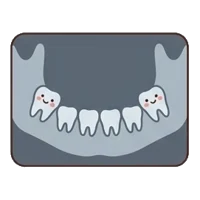
1. Examination and diagnosis
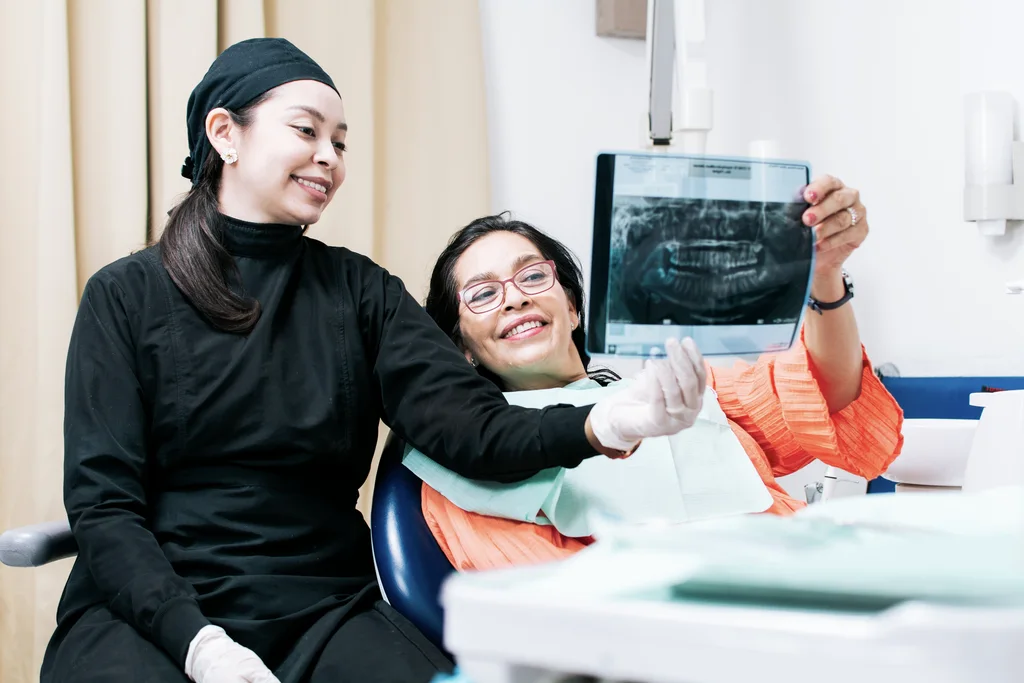
Your dentist asks where and when it hurts, then checks your bite, tooth wear, muscle tenderness, how wide you can open and any joint sounds. X-rays are taken if needed. For 3D imaging of the joint’s bony structure, Smith & Jain Dentists in Central, Bayside Dental Tung Chung and both Bayside Dental Discovery Bay clinics have 3D CBCT. A suspected disc problem may need a referral for an MRI.
2. Explanation and self-care
Understanding what’s causing the pain, plus the home measures above.
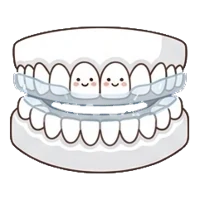
3. Splints
If you grind or clench your teeth, or have tooth wear, your dentist can assess whether a custom splint would help protect them. Its effect on TMD pain varies, and not everyone with jaw pain needs one.
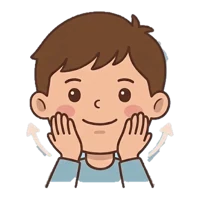
4. Physiotherapy
A physiotherapist with TMD training designs jaw exercises to ease tight muscles and improve opening.
5. Medication
Short-term anti-inflammatories or muscle relaxants, prescribed by a doctor or dentist where appropriate.
6. Other options
Botulinum toxin injections are not a routine first step for TMD. Research findings on relief of TMD symptoms are mixed. An appropriate clinician should discuss the possible benefits, risks and alternatives before considering this treatment.
7. Referral to an oral and maxillofacial surgeon
Your dentist may consider referral for suspected structural joint problems, recurrent dislocation, substantial restriction of jaw movement or symptoms that persist despite conservative care. A specialist assesses whether joint washing, another procedure or surgery is appropriate. Referral depends on the findings, rather than a fixed waiting period.
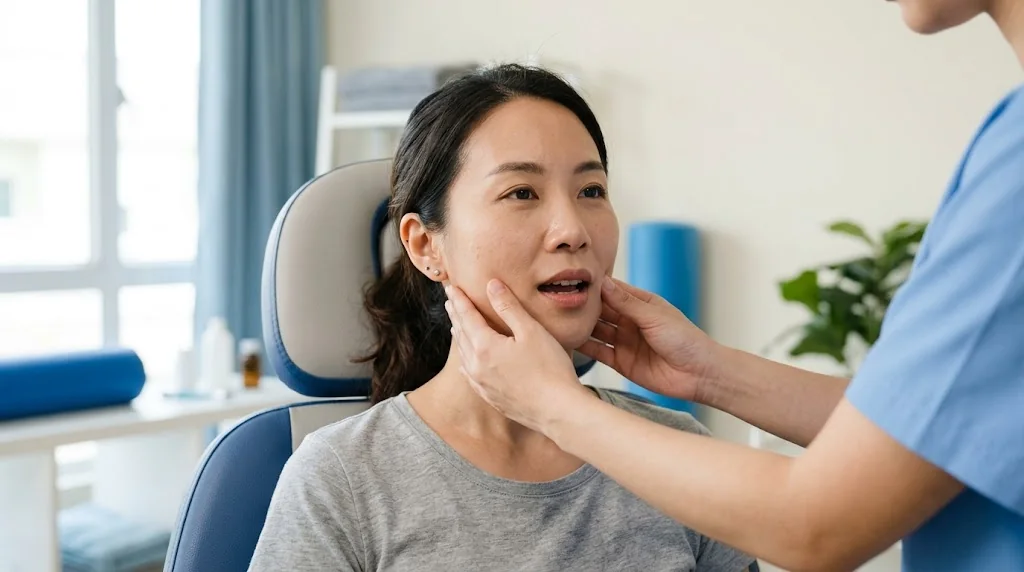
How does a TMJ splint work?
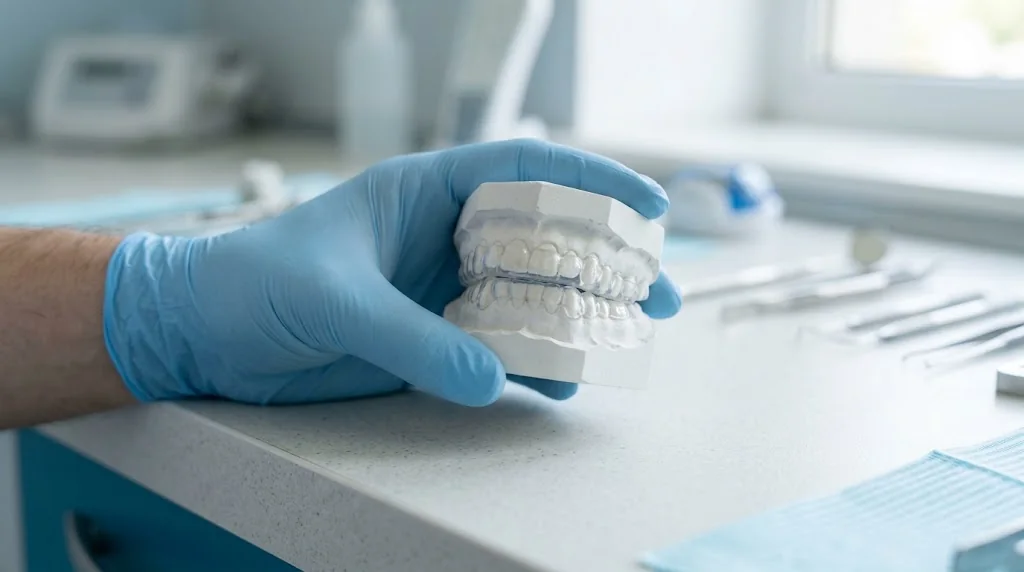
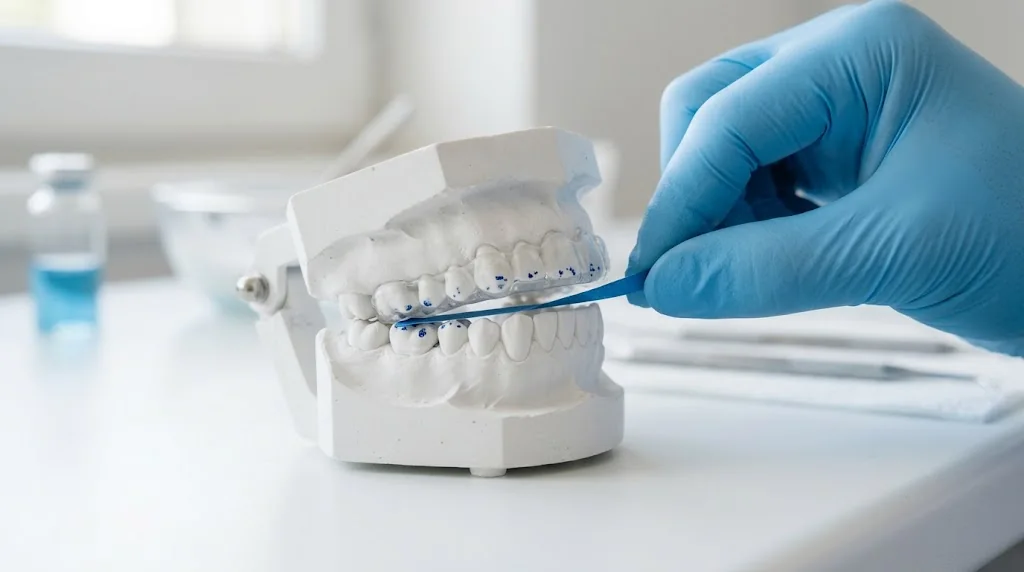
A splint, also called a night guard, is usually made to fit your teeth. It can protect them from wear caused by clenching or grinding, but does not automatically stop the habit. Evidence for relief of TMD pain is limited, and individual responses vary.
Your dentist should advise on the material, wearing schedule and follow-up. A splint used for TMD should not be designed to permanently change your bite. Stop using it and contact your dentist if it causes pain; do not adjust it yourself.
TMJ treatment costs in Hong Kong
The table below reproduces selected items from the Prince Philip Dental Hospital private-patient fee schedule. The source also states that dental appliances and other related items may be charged separately.
| Item | Reference fee (HK$) |
|---|---|
| TMJ problem (consultation) | 800–1,200 |
| TMJ problem (treatment) | 1,700–5,000 |
| TMJ splint | 3,600–5,600 |
| Occlusal splint | 3,700–6,000 |
| Reduction of a dislocated TMJ | 5,000–15,000 |
Your actual cost depends on the assessment, the treatment you need and the type of splint. These figures are for reference only; actual fees are confirmed after your consultation. See our full dental treatment fee reference for more.
Frequently asked questions about TMJ
Can TMJ go away on its own?
Some mild, temporary muscle or joint symptoms settle with rest and self-care, but jaw pain does not always resolve on its own. Arrange an assessment if pain persists, worsens or keeps returning. Do not wait for it to settle if your jaw is locked, you cannot close your mouth, or you cannot eat or drink.
Who treats TMJ in Hong Kong?
A dentist can check your teeth, chewing muscles, jaw joints and movement, then discuss suitable care or referral. Seek urgent medical help if you cannot close your mouth, cannot eat or drink, have a changed bite after an injury, or develop facial swelling with fever. Call 999 immediately if jaw pain occurs with chest pain, breathlessness or cold sweats.
Does a night guard help TMJ?
A night guard can protect teeth from grinding or clenching, but evidence for treating TMD pain is limited. Your dentist should assess whether it suits your symptoms. It should not permanently change your bite. Stop using it and contact your dentist if it causes pain.
How do I stop TMJ pain at night?
Clenching or grinding can contribute to discomfort on waking, although a sore jaw alone does not confirm the cause. A wrapped warm pack may ease muscle discomfort before bed. Avoid chewing gum or deliberately testing wide opening, and ask a dentist to assess recurring symptoms and whether a splint would be appropriate.
Is Botox used for TMJ?
Some clinicians consider botulinum toxin in selected cases, but study results for TMD symptoms are mixed. It is not a routine first treatment. Discuss the possible benefits, risks and alternatives with an appropriate clinician.
How Diestel Dental Group can help
Most TMJ pain can be managed without surgery, and the first step is working out whether it comes from the joint, the muscles or a tooth. Diestel Dental Group has five clinics in Hong Kong (two in Central, one in Tung Chung and two in Discovery Bay), with a team that speaks English, Cantonese, Mandarin and other languages. Our dentists check your bite, tooth wear and jaw joints, make custom splints when needed, and refer you for physiotherapy or to an oral and maxillofacial surgeon if required. If jaw pain keeps coming back, choose a clinic near you to book a check. This guide is general information and not a diagnosis.
Want to find out why your jaw hurts?
Choose a nearby clinic for an assessment. For an urgent dental problem, contact the clinic first to confirm availability and treatment arrangements; see our emergency dental information. Seek urgent medical help if you cannot close your mouth, eat or drink. Call 999 for jaw pain with chest pain, breathlessness or cold sweats.